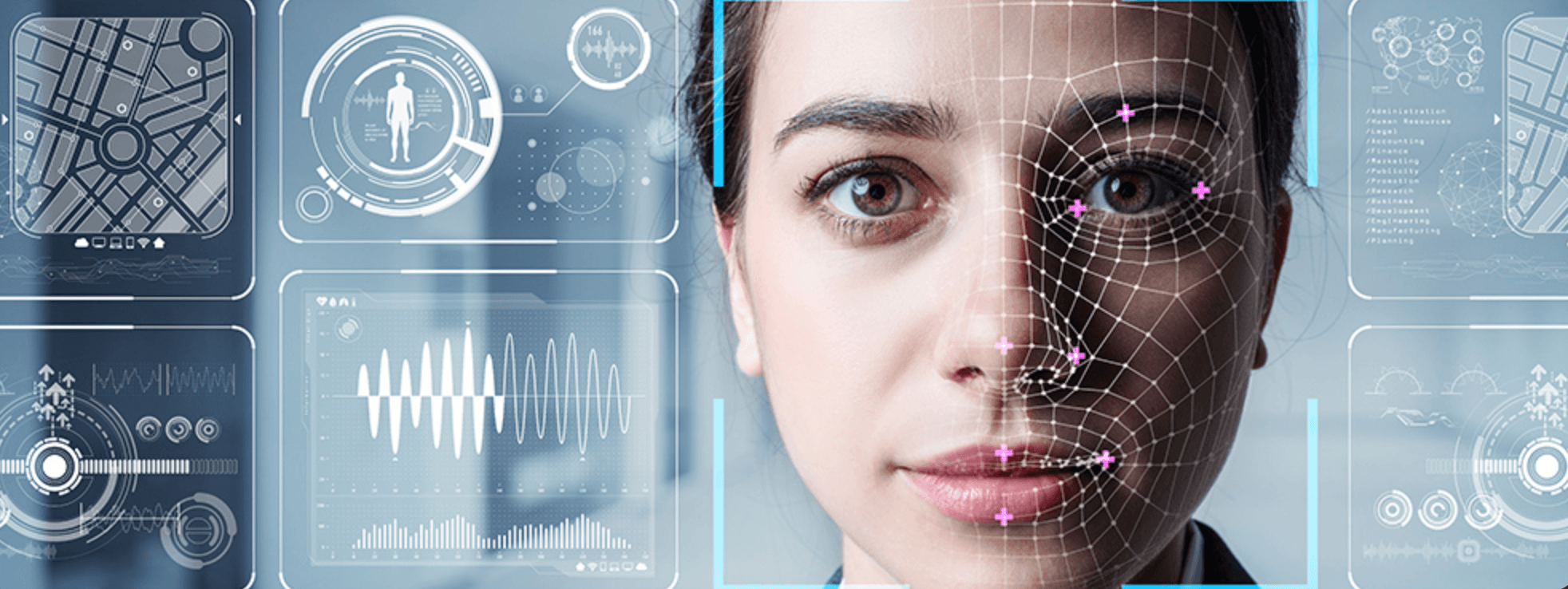
In the USA and Canada, online gambling operators started using biometric Know Your Customer systems. What we have in 2025 and 2026 is different from the document uploads players tolerated five years ago. We’re talking about real-time 3D facial scans, selfie-matching against DMV and passport databases, and liveness detection that confirms you’re a human and not just a photo.
This will definitely influence how players open their gambling accounts and how these accounts get re-verified. It’s a fundamental change to the relationship between a player and a platform, and most people signing up have no idea it’s happening. Let’s see what changes are expected to come.
Why the Industry Decided Documents Were Not Enough
The problem that gave rise to this is well known, even if the industry doesn’t like to advertise its magnitude. The early US-regulated market was riddled with multi-accounting. One person could have five, ten, sometimes even dozens of accounts at the same time. Some internal industry estimates put the price of bonus abuse alone at $300 million a year for major operators.
Synthetic identity fraud got even worse: fraudsters were building fake identities from real Social Security numbers and fake demographic information. The old approach to KYC, where the user takes a picture of their driver’s license and uploads it, couldn’t reliably catch any of this. Stolen IDs can be scanned clean, and a synthetic identity sounded good on paper. That was one of the biggest problems.
The fraud wasn’t limited to slots and sports betting either. Table games, live dealer games, and poker rooms all became targets, and players looking for poker tips on strategy forums were sometimes unknowingly sharing spaces with bot accounts and multi-accounters manipulating the player pool.
Investigators in Ontario and Michigan have documented cases of teens sharing verified adult account credentials, sometimes for commercial purposes, and running small underground networks of access.
Biometric systems could solve all these problems and protect online casinos from scammers. They ask if you are physically there, alive, 18+, and match the original verified identity. See the table below comparing both options.
| Dimension | Traditional Document KYC | Biometric Verification |
| Verification Method | Static document scan + OCR | Real-time facial liveness + document match |
| Fraud Vectors Blocked | Basic forgeries, expired IDs | Multi-accounting, synthetic IDs, account sharing |
| Speed (Avg. Completion) | 2–5 minutes | 8–30 seconds |
| Accuracy Rate (Industry Avg.) | ~78–83% | ~97–99.5% (Jumio, Sumsub benchmarks) |
| Re-verification Triggers | Rarely, if ever | Suspicious activity, new device, high withdrawals |
| Player Data Retained | Document images only | Facial geometry, liveness score, device biometrics |
| Regulatory Acceptance | Universal | US: varies by state; Ontario: formally required since 2023 |
| False Positive Rate | ~5–8% | ~0.5–1.2% |
The 4-Step Biometric Onboarding Process Players Now Face
Most regulated platforms using solutions from Jumio, Sumsub, or IDnow have converged on a similar onboarding sequence. Of course, there are some variations, but the general pipeline looks like this.
- Document Capture & OCR Extraction. Players need to photograph their government-issued ID from both sides. After that, machine learning extracts the name, date of birth, address, and document number. If the system finds inconsistencies, it will flag them. The thing is that microprint, or holographic security features, are invisible to the naked eye.
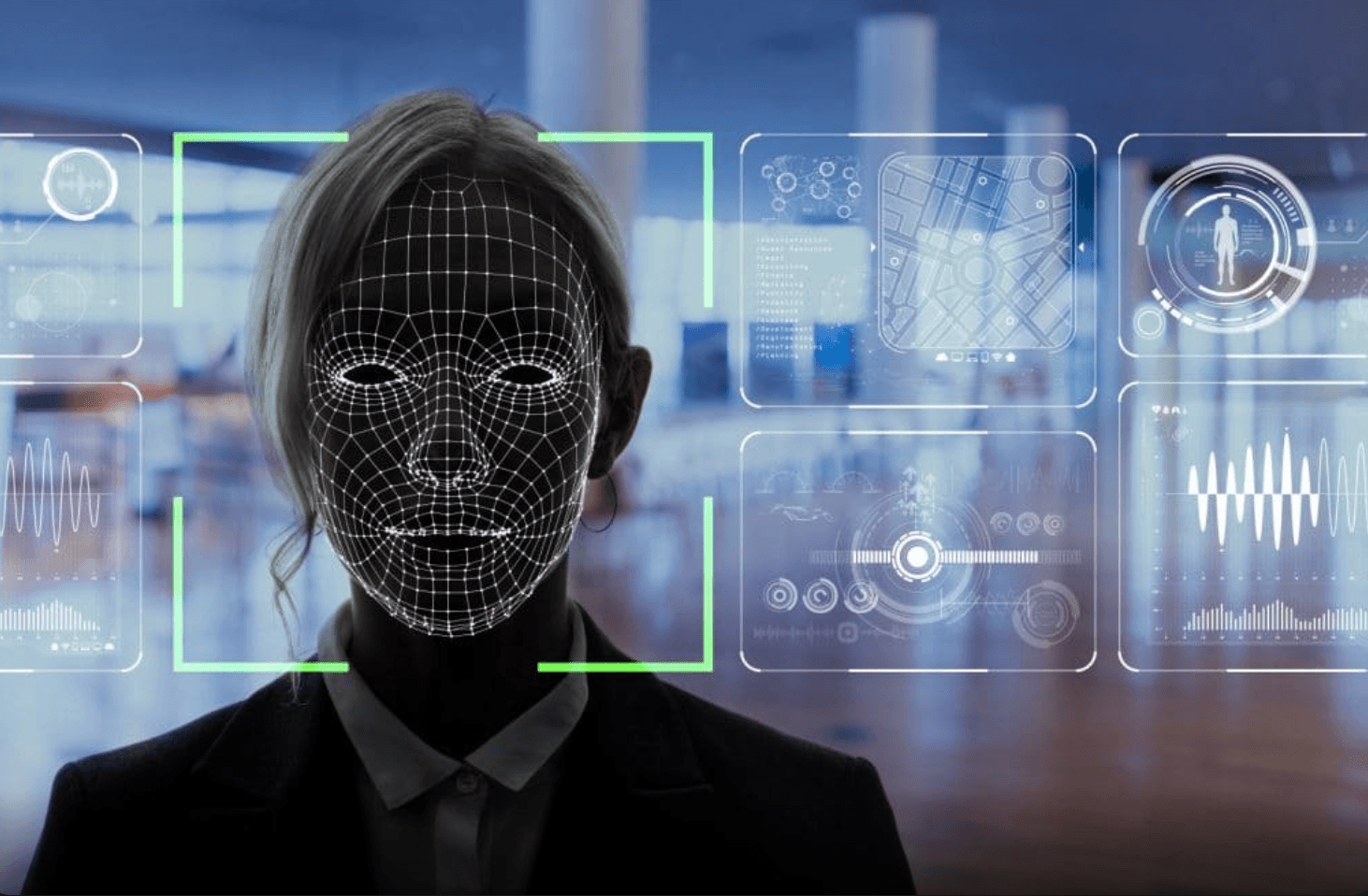
- 3D Facial Liveness Check. The user needs to open the camera on his device, face it, and complete a short active challenge: a slow head turn, a blink, a slight smile. The system generates a 3D facial map and confirms biological life. On top of that, static photos, video replays, and deepfake injection attacks are screened simultaneously.
- Biometric Cross-Match Against External Databases. The freshly captured face is compared against the document photo and, increasingly, state DMV databases or passport authority records where data-sharing agreements exist. Ontario’s iGaming operators have access to ServiceOntario verification infrastructure. Some US states, including New Jersey and Pennsylvania, permit DMV record checks under gaming-specific data-sharing agreements.
- Ongoing Session Binding. After signing up for the online casino, some gambling platforms, especially those using Sumsub’s continuous KYC modules, bind subsequent logins to biometric re-verification. In this case, a new device triggers an automatic face check.
Look at the table below that compares all these options.
| Jurisdiction | Mandatory Biometrics | Liveness Check Required | DMV/Government DB Access | Data Retention Limit | Regulator |
| New Jersey | Strongly recommended; operator discretion | Yes, for high-risk accounts | Limited, under DGE agreements | 5 years post-account closure | NJ Division of Gaming Enforcement |
| Pennsylvania | Required for suspicious activity triggers | Yes | Permitted under PGCB framework | 5 years | PA Gaming Control Board |
| Michigan | Required for all new account verifications | Yes | Partial | 3 years minimum | Michigan Gaming Control Board |
| New York | Required under OSB license terms | Yes | Under review | 5 years | NY State Gaming Commission |
| Ontario | Mandatory under iGO standards (2023) | Yes | ServiceOntario integration available | Governed by PIPEDA/Ontario regs | iGaming Ontario / AGCO |
| Nevada (online poker) | Operator-level requirement | Yes | Partial DMV agreement | 5 years | Nevada Gaming Control Board |
| Colorado | Recommended, not yet mandatory | Operator discretion | Limited | 3 years | Colorado Division of Gaming |
The Companies Running This Infrastructure
Three vendors have captured the majority of North American gambling compliance contracts.
- Jumio, headquartered in Sunnyvale, processes biometric verifications for several major US-licensed operators and has published accuracy claims of 99.5% on liveness detection.
- Sumsub is a London-based identity verification platform with significant US market penetration. It offers continuous KYC, so the verification is an ongoing monitoring layer.
- IDnow is German-born but now operates extensively across North American regulated markets. The company specializes in video-based identity verification workflows, useful for operators who want a human review layer and automated biometric checks.
None of these platforms is the operator. They are third-party processors between the gambling company and the player. Their main goal is to create a data custody chain that players seldom look at closely.
Two Fraud Vectors Biometrics Can Kill
Biometrics arrived because specific fraud patterns were costing real money, and traditional KYC wasn’t stopping them. Here are two major examples.
Selling Verified Accounts to Strangers
For many years, account trafficking was one of the biggest fraud problems in online gambling. Someone would go through the full KYC process on their own device, get verified, and then hand off the login credentials, sometimes for money. The platform had no way to know. The original verification was clean, the session cookie was valid, and nothing in the system flagged that a completely different person was now placing bets.
A biometric session can change everything. When an account moves to a new device, a liveness check kicks in before anything else happens. The person holding the phone now has to match the face that was originally verified. If they don’t, the session ends. The mechanism is very simple, but it could solve lots of issues that manual reviews almost never catch in real time.
Faking Your Location to Grab State-Specific Bonuses
The more elaborate scam layered two tricks on top of each other. First, a VPN to spoof a location inside a licensed state, such as Michigan or Pennsylvania, wherever the welcome bonus was richest. Second, a synthetic identity built from real Social Security data and fabricated personal details, good enough to slip through a basic document check.
The whole scheme fell apart when operators started cross-referencing facial geometry against actual government records. You can manufacture a name and address. You can’t manufacture a face that already exists in a DMV database. On top of that, modern compliance systems stopped relying solely on IP addresses for location; cellular triangulation and behavioral fingerprinting now do the heavy work. Running both simultaneously made the VPN-plus-fake-ID combo far harder to pull off cleanly.
Core Privacy Risks Players Should Understand
However, there are some privacy risks, and gamblers need to be aware of them:
- Facial geometry is not anonymizable the way a password is. The thing is that a compromised password can be changed, but a compromised facial biometric template is permanent. If a data breach exposes the mathematical representation of your face, no operator can issue you a new one.
- Third-party processor agreements vary. When Jumio or Sumsub processes your verification, their data retention, subprocessor relationships, and breach notification obligations are governed by contracts between them and the operator. However, players can’t see these documents, and no one is interested in showing them to the end users. Under PIPEDA in Canada and various US state privacy laws, individual rights to access, correct, or delete biometric data differ by jurisdiction.
- Re-verification triggers can be opaque. Operators are generally not required to tell you why a biometric re-check fired. A withdrawal request, a new IP address, or an account behavior flag can all trigger a fresh liveness demand without explanation.
Have a look at the table below comparing the pros and cons of this system.
| Consideration | Benefit | Drawback |
| Account Security | Near-eliminates account takeover via credential theft | A single biometric breach is unrecoverable |
| Onboarding Speed | Faster than manual document review | Liveness failures frustrate legitimate users |
| Fraud Reduction | Directly benefits honest players (fewer stolen bonuses, fairer odds) | Players bear compliance cost, not fraudsters |
| Re-verification | Confirms legitimate login on new devices | Can delay time-sensitive withdrawals |
| Privacy | Government database cross-reference improves accuracy | Facial data leaves player’s control entirely |
| Accessibility | Automated, 24/7 availability | Poor lighting, facial differences, or disabilities can cause failures |
| Legal Recourse | PIPEDA (Canada), some US state laws provide rights | Rights enforcement is slow and poorly tested |
What Triggers a Mandatory Biometric Re-Check After Account Opening
Operators using continuous KYC frameworks have defined re-verification triggers that players don’t see disclosed in plain terms. The most common are below:
- New device login. When a player logs in to the casino account to play the Mega Joker slot or Book of Dead, but they do this from a new device that was not previously registered, this will activate a liveness check before the session proceeds.
- Large withdrawal request. Thresholds vary, but requests above $5,000 (sometimes lower) trigger biometric confirmation, especially for those located in Pennsylvania and Ontario-licensed platforms.
- Behavioral anomaly flags. Unusual betting patterns, such as login from an atypical geography, or rapid account data changes (email, address), can prompt re-verification as a fraud prevention measure.
- Prolonged account inactivity. If you don’t use a casino account for 6-12 months, this may require a new identity confirmation, so be ready for another KYC check.
The Part Nobody’s Solved Yet
Ontario has done the most groundwork. iGaming Ontario’s 2025 standards gave licensed operators a clear biometric framework to follow, and the AGCO has been consistent in enforcing it. The US is a different story. It’s still being figured out state by state, and Colorado and Connecticut are noticeably behind where New Jersey and Michigan already stand. A player who holds accounts across four licensed US states could go through four different verification processes, with their biometric data sitting in the hands of the same third-party vendor under four different agreements about how long it gets kept.
The rules haven’t caught up to the technology, and probably won’t for a while. Players are being asked to hand over some of the most sensitive data they have, a permanent, unchangeable record of their face. However, the legal protections around it are still being written. That gap is worth paying attention to.